

Loading content…
Loading content…
Loading content…
Travel and food · Sydney · In-depth article
Walk from the markets to Dixon Street to see how a Cantonese meal sits alongside a longer history of shopping, work and family gatherings.
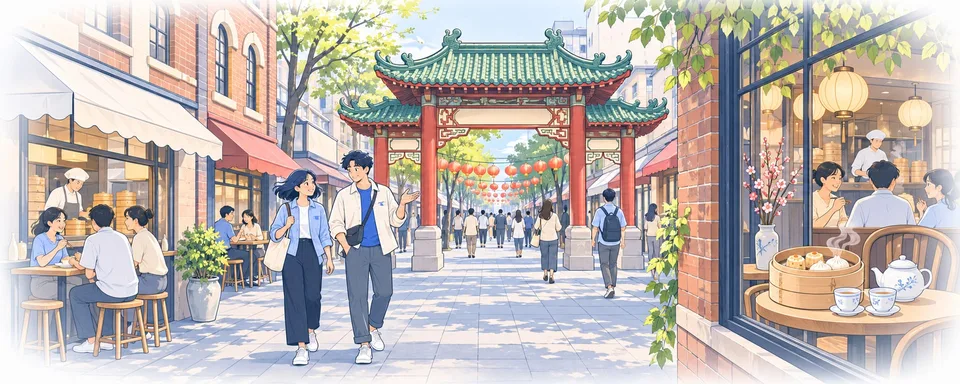
A family picking a time for Sunday yum cha might begin with the train timetable. Some relatives now live well beyond the city centre. A meal near the markets lets them meet and fit a few errands into the same trip. That pattern helps explain why a small stretch of Haymarket has meant more to Sydney than a dining district.
City records trace the presence of Chinese produce growers and traders in Haymarket to the late nineteenth century. As Cantonese-speaking businesses and residents gathered there in the early twentieth century, nearby shops made it possible to buy familiar food, send money to family and see people with a common language in a short walk. Food businesses sat within that everyday network.[S1][S3]
Over time more Chinese Australian families lived in different suburbs. The City’s planning material describes people returning to Haymarket for festivals, shopping and meals. Where the customers start their journeys matters. A restaurant can bring a community together even when the people around the table live far apart.[S1]
The Chinatown gates on Dixon Street date to 1980 and came from work by the Chinese community and the City. Use the City’s history walks as a starting point, then look for the relationship between the markets, shopfronts and restaurant entrances. Check a restaurant’s own opening hours and booking arrangements before inviting a group. Once the plates are cleared, let somebody else choose the next stop. A shop window or an upstairs entrance often tells a different part of the story from the gate.[S2][S3]
Comments
Share a related experience or ask about the article
No comments yet. Ask a question about the article.
Sign in to discussKeep the discussion about the content. Do not post private information or advertisements.