

Loading content…
Loading content…
Loading content…
Travel and food · In-depth article
Storage depends on processing and packaging. Read the pack’s directions for unopened and opened milk before comparing nutrition.
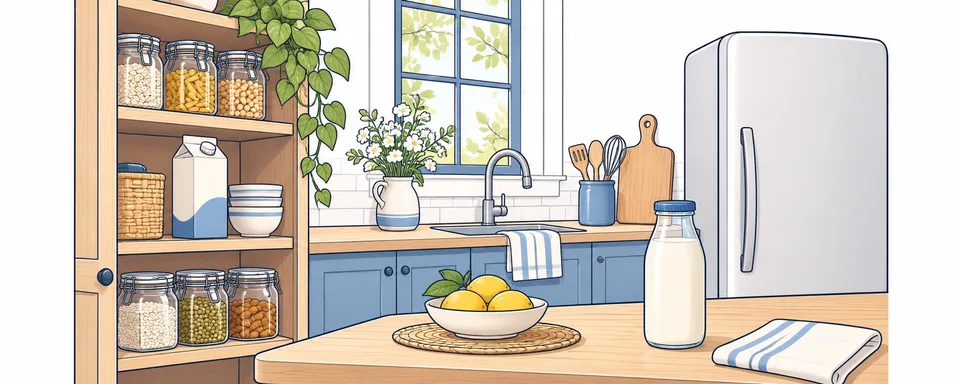
One supermarket milk comes from a fridge and another comes from the shelf. Before leaving either out at home, look at the storage directions. Heat treatment and an intact pack contribute to the unopened product’s storage conditions.[S1][S2]
Pasteurisation is used to reduce the risk from harmful microorganisms. Milk sold as a chilled product still needs refrigeration. Raw milk carries a different safety risk and a normal-looking pack cannot tell you whether it is safe.[S1][S3]
A long-life milk can use ultra-high-temperature processing and suitable aseptic packaging to last on the shelf when sealed. After opening, check how quickly to refrigerate and use it. Keep the date and instructions on the carton and note when you opened it.[S2][S3]
For nutrition, compare the same measure such as per 100 mL and look at the ingredients relevant to you. For storage, check the condition of the pack and what it says about shelf or fridge use. A damaged pack or an uncertain storage history calls for a separate decision.[S1][S3]
Comments
Share a related experience or ask about the article
No comments yet. Ask a question about the article.
Sign in to discussKeep the discussion about the content. Do not post private information or advertisements.