

Loading content…
Loading content…
Loading content…
旅行与生活 · Perth · In-depth article
This daytime marsupial finds termites in shallow galleries when they are within reach.
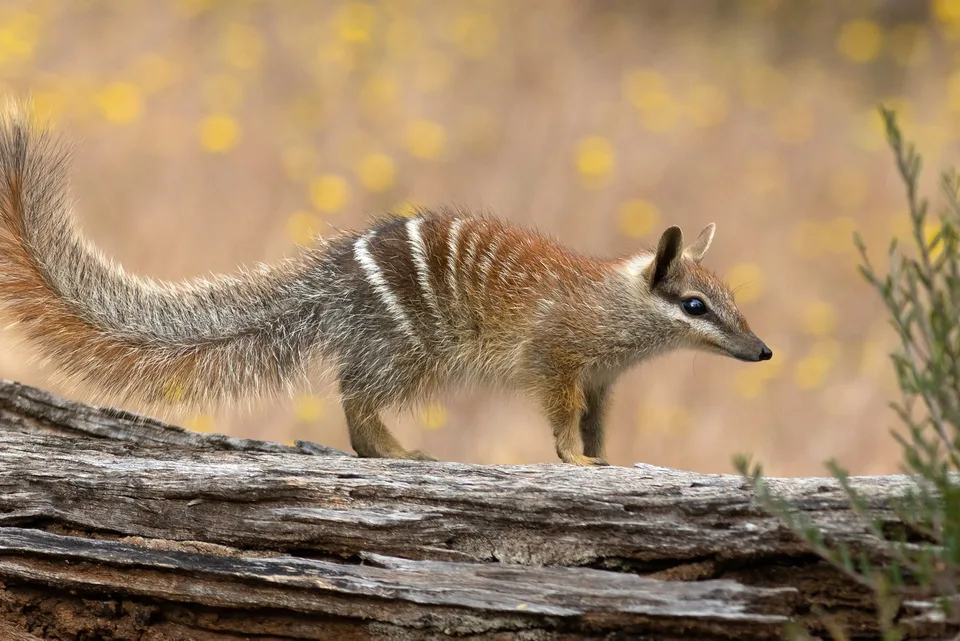
A numbat spends much of the day putting its nose close to the ground. It finds termites by scent and takes them from shallow galleries and decaying wood. A hard mound can contain plenty of termites while offering little food it can actually reach.[S1][S2]
Photo: Kym Nicolson · Original photograph · CC BY 4.0. Resized proportionally and compressed.
Termite activity changes with conditions in the soil. When prey is nearer the surface, a numbat can scratch it out and gather it with its long tongue. That helps explain daytime foraging and its seasonal changes.[S1]
A pause to sniff, a scratch in loose soil and a quick movement of the head are more informative than the stripes alone. An animal passing over a log could be travelling, so record what you saw before giving it an explanation.
Stay back, watch quietly and let it move on. A date and brief habitat note make a distant view useful.
Comments
Share a related experience or ask about the article
No comments yet. Ask a question about the article.
Sign in to discussKeep the discussion about the content. Do not post private information or advertisements.